Rleey | Tungsten Carbide Cutting Blades for Industrial Knife Sharpeners
- Share
- publisher
- Jane
- Issue Time
- Oct 23,2026
Summary
Tungsten carbide blades are core wear components for industrial knife sharpening machines, delivering far superior edge retention compared to high-speed steel blades. This article explains the critical factors that determine the service life of carbide sharpening blades, including grade selection, edge geometry, surface finish, blade thickness and mounting design. It also analyzes common failure modes such as edge chipping and abrasive wear, and shares practical selection and maintenance tips.
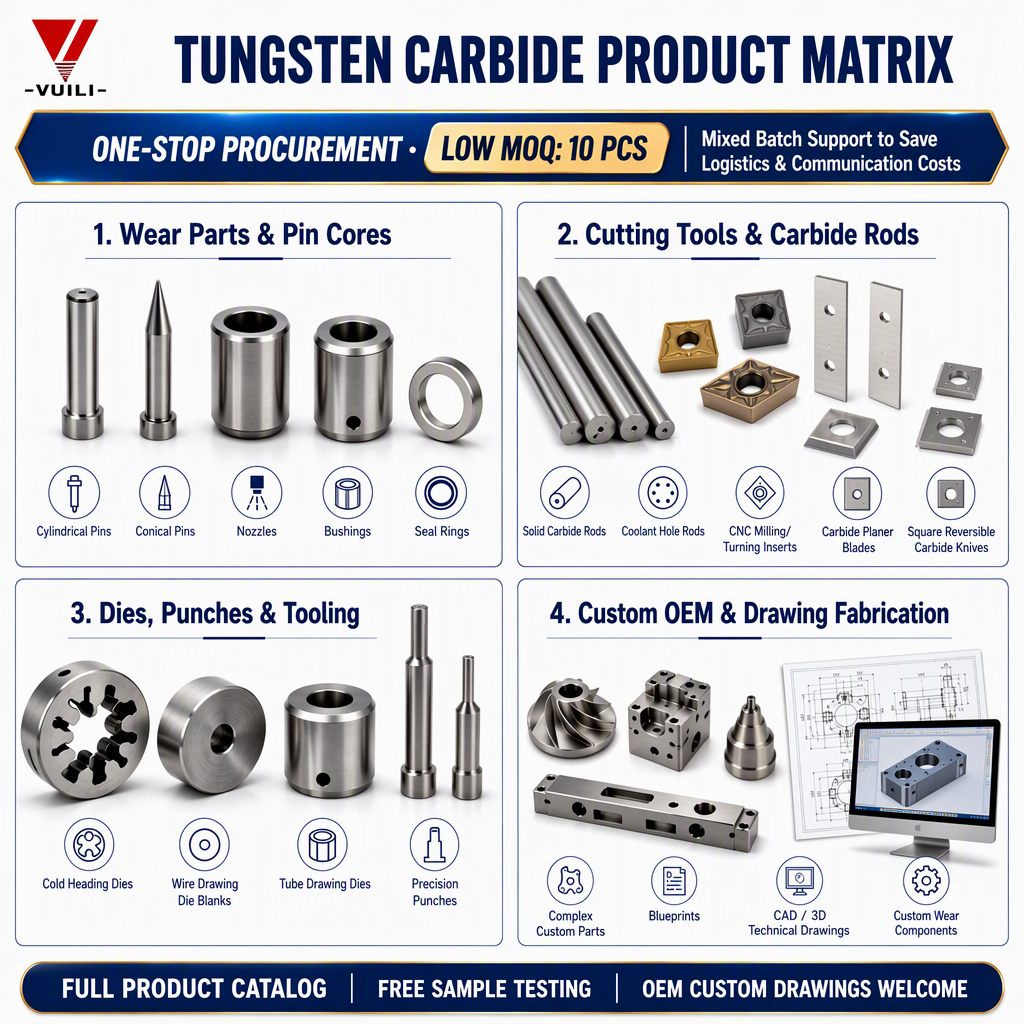
Carbide Cutting Blades for Knife Sharpeners: Key Factors for Long Service Life
Table of Contents
- 1. Introduction: Carbide Blades for Industrial Knife Sharpeners
- 2. Tungsten Carbide Grade Selection
- 3. Edge Geometry & Honing Treatment
- 4. Blade Thickness, Tolerance & Surface Finish
- 5. Mounting Structure & Installation Requirements
- 6. Common Blade Failures & Root Causes
- 7. Practical Tips to Extend Blade Service Life
- 8. FAQ
Industrial knife sharpening machines rely on high-performance cutting blades to re-sharpen large batches of knives, scissors and cutting tools continuously. Traditional high-speed steel blades wear quickly in high-volume production, requiring frequent replacement and machine downtime. Tungsten carbide cutting blades are the preferred upgrade solution, featuring outstanding hardness and edge retention. However, improper grade selection, poor edge machining or unsuitable mounting design can lead to premature chipping and shortened service life. This article covers the key factors to maximize the working life of carbide blades for knife sharpening equipment. For most knife sharpening applications, medium grain carbide with 8% cobalt is the most cost-effective option. Fine grain carbide can hold a sharper edge but is vulnerable to chipping if hard knife materials hit the blade suddenly. Higher cobalt grades resist chipping but will wear faster over long running hours. Edge geometry directly determines cutting performance and blade durability. The main parameters include edge angle, edge width and edge honing radius. Sharp, thin edges deliver fast sharpening results, but they are much easier to chip under impact. Controlled edge honing removes micro-cracks on the cutting edge, greatly improving impact resistance without sacrificing too much sharpening efficiency. Our engineering team can optimize edge profiles according to your sharpener machine model and target knife types. Blade thickness must match the slot and clamping structure of your sharpening machine. Too thin blades may deform or vibrate during operation, while overly thick blades reduce sharpening efficiency. Tight dimensional tolerances ensure consistent clamping and avoid blade runout. A fine ground surface finish reduces friction and prevents micro-defects from forming on the blade surface, which is critical for long-term cyclic operation. Carbide is brittle compared to steel, so clamping design must avoid concentrated stress on the carbide blade body. Blade vibration caused by loose mounting is one of the top reasons for unexpected edge chipping in daily sharpening work. A: Yes. We manufacture custom carbide sharpening blades according to your drawings, including customized edge angles, hole patterns and thickness. A: Under normal working conditions, tungsten carbide blades can achieve 5 to 20 times longer service life than HSS blades, depending on the knife materials being sharpened. A: Yes, we carry out hardness and dimension sampling inspection and provide COA certificates for each shipment batch.1. Introduction: Carbide Blades for Industrial Knife Sharpeners
2. Tungsten Carbide Grade Selection
Carbide Grade Type
Cobalt Content
Performance
Application Scenario
Fine Grain
6% Co
Superior wear resistance, sharp edge retention, lower toughness
Light load, sharpening soft steel knives, continuous low-impact operation
Medium Grain
8% Co
Balanced wear resistance and impact toughness, versatile grade
Most industrial sharpening machines, mixed knife materials, standard production
Medium-Coarse Grain
10% Co
High toughness, strong anti-chipping ability
Heavy load, hard alloy knives, occasional impact during sharpening
3. Edge Geometry & Honing Treatment
4. Blade Thickness, Tolerance & Surface Finish
5. Mounting Structure & Installation Requirements
6. Common Blade Failures & Root Causes
7. Practical Tips to Extend Blade Service Life
8. FAQ
Q1: Can you custom make carbide blades with our specific dimensions and edge angles?
Q2: How much longer do carbide blades last compared to HSS blades?
Q3: Can you provide COA documents for carbide blade batches?