Why Grade Selection Determines Wear Performance of Cemented Carbide Impact Tips
- Share
- publisher
- Bree
- Issue Time
- Oct 6,2026
Summary
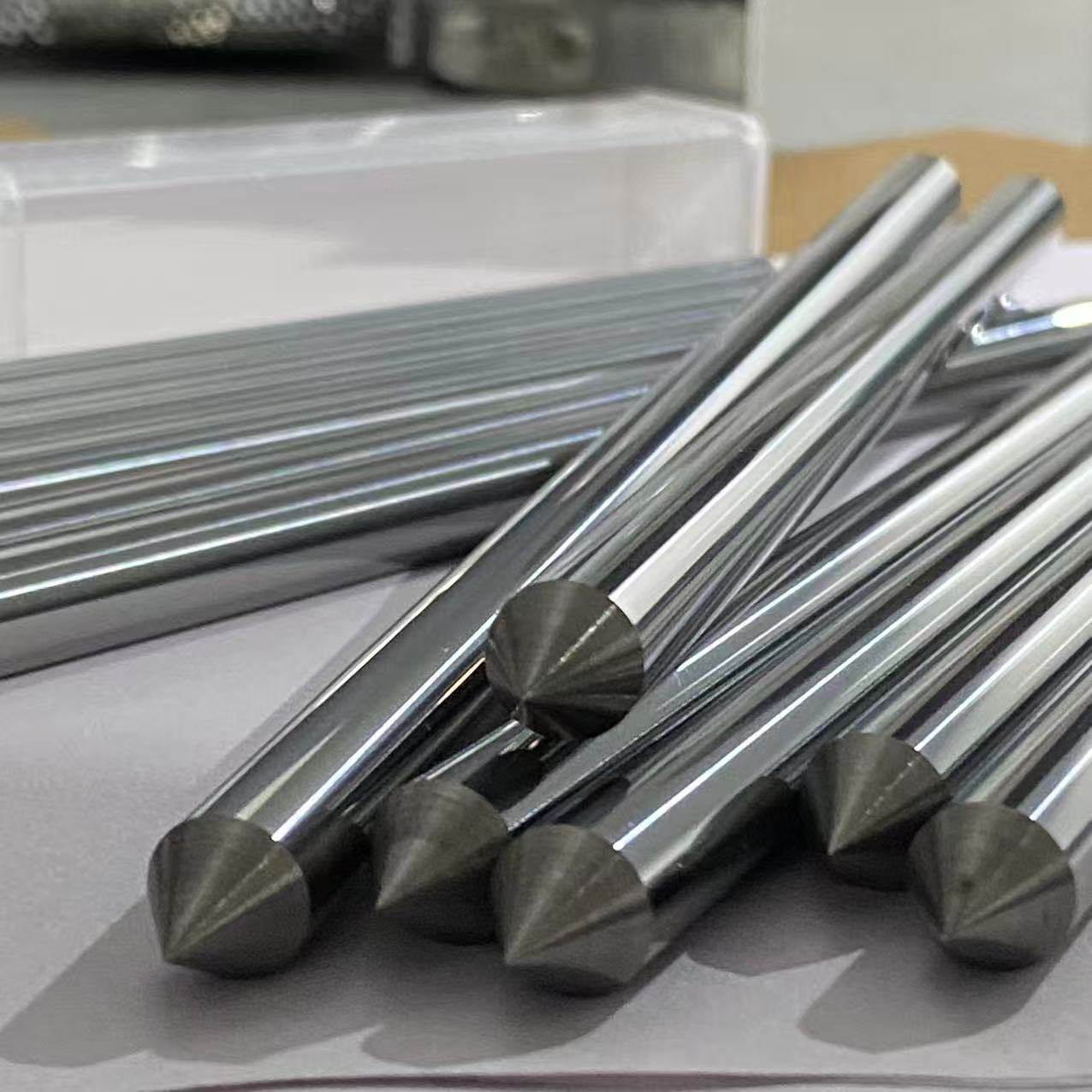
Cemented carbide grade selection directly balances wear performance and impact resistance for impact tips. This guide explains how cobalt content and grain size define grade behaviour, helping you avoid premature wear or fracture in shock-intensive applications.
Full Article Structure
- 1. Introduction: Wrong Grade Causes Fast Wear or Sudden Fracture
- 2. How Cemented Carbide Grade Controls Wear Performance
- 3. How to Select Grade for Impact Tips Based on Working Load
- 4. VUILI Grade Selection & Testing Workflow
- 5. Grade & Wear Performance Matching Table for Impact Tips
- 6. FAQ on Cemented Carbide Grade Selection
- 7. Summary & Grade Recommendation Service
1. Introduction: Wrong Grade Causes Fast Wear or Sudden Fracture
Many users select cemented carbide impact tips only by hardness value. But wear performance and impact resistance are both defined by carbide grade. A grade with excessive hardness may wear slowly but crack easily under shock. Too high cobalt content brings good toughness but suffers fast abrasive wear. Correct grade selection balances wear performance and impact strength.
2. How Cemented Carbide Grade Controls Wear Performance
A cemented carbide grade is defined by cobalt binder percentage and tungsten carbide grain size. Lower cobalt and fine grain structure improve wear resistance, while higher cobalt and coarser grains boost impact toughness. The grade formula decides material microstructure, which directly controls abrasion resistance and crack propagation speed of impact tips.
3. How to Select Grade for Impact Tips Based on Working Load
- High abrasive, low shock conditions: low cobalt + fine grain for maximum wear resistance
- Heavy cyclic impact with moderate abrasion: medium cobalt, medium grain for balanced performance
- Severe impact, large particle shock: high cobalt, coarse grain to prevent tip breakage
- High temperature impact environment: optimized grain structure to resist thermal fatigue wear
4. VUILI Grade Selection & Testing Workflow
Our technical team collects your working parameters including impact frequency, abrasive medium and operating temperature. We recommend the matching carbide grade and produce samples for field testing. After validation, mass production starts, with batch inspection for hardness, density and microstructure consistency.
5. Grade & Wear Performance Matching Table for Impact Tips
| Working Condition | Grade Characteristic | Core Performance |
|---|---|---|
| Fine abrasive, light impact | Low cobalt, fine grain | Excellent wear resistance, limited impact toughness |
| Mineral crushing, medium shock | Medium cobalt, medium grain | Balanced wear and impact resistance |
| Heavy rock impact, high shock load | High cobalt, coarse grain | Strong anti-breakage, moderate wear resistance |
| High temperature continuous impact | Stabilized coarse grain grade | Resist thermal wear and fatigue cracking |
6. FAQ on Cemented Carbide Grade Selection
Q1: Can higher hardness always guarantee longer service life?
No. Ultra-high hardness usually reduces toughness. Tips may chip or fracture quickly under repeated impact even though wear rate is low.
Q2: Can VUILI custom formulate special carbide grades?
Yes. We adjust cobalt content and grain size to match your specific wear and impact requirements.
Q3: How to verify if a grade fits my site?
Sample trial is recommended. Send your working material parameters, we supply samples for on-site test.
7. Summary & Grade Recommendation Service
Cemented carbide grade is the core factor determining wear performance of impact tips. Cobalt ratio and grain size create a trade-off between wear resistance and impact toughness. Selecting the wrong grade leads to premature failure. VUILI offers professional grade recommendation and custom carbide impact tips for crushing, piercing and impact applications.
CTA Contact Zone
Get Grade Recommendation for Carbide Impact Tips
📧 Contact Us → /contact-us.htm
Share your working conditions to get professional grade suggestion and sample support.
Custom Cemented Carbide Impact Tips
📧 Contact Us → /contact-us.htm
Request quotation for carbide impact tips with matched material grade.
Disclaimer
Grade performance data is for general technical reference. Actual wear and impact performance is affected by raw material, impact frequency and equipment setup. VUILI suggests sample testing before mass order placement.