Technical Material Guides for Tungsten Carbide Cutting Inserts Selection
- Share
- publisher
- Bree
- Issue Time
- Nov 20,2026
Summary
This technical guide explains the core factors for selecting tungsten carbide cutting inserts, including workpiece material, cutting type, grade matching, chipbreaker geometry and coating options, helping machinists pick the right carbide inserts for turning, milling and boring operations.
Full Article Structure
1. Basic Introduction to Carbide Cutting Inserts
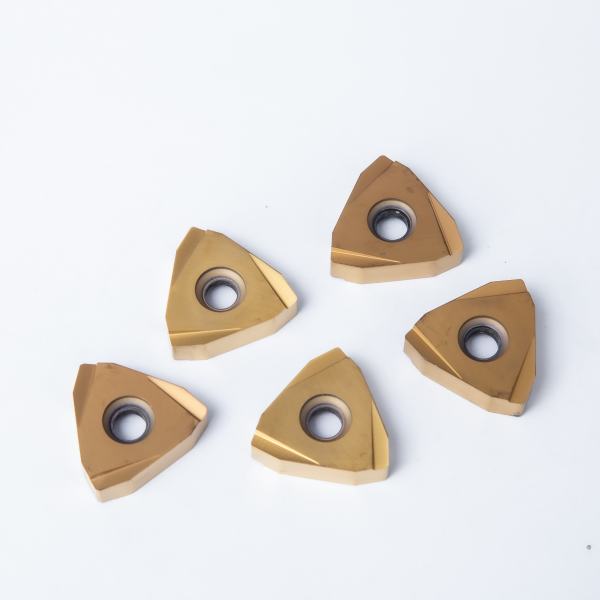
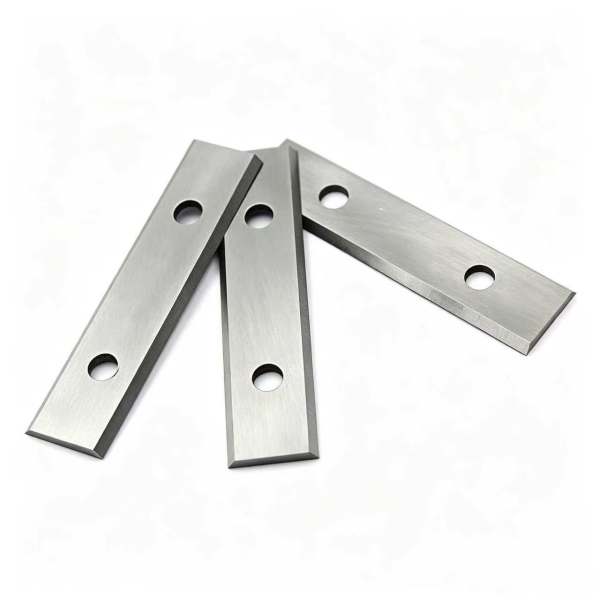
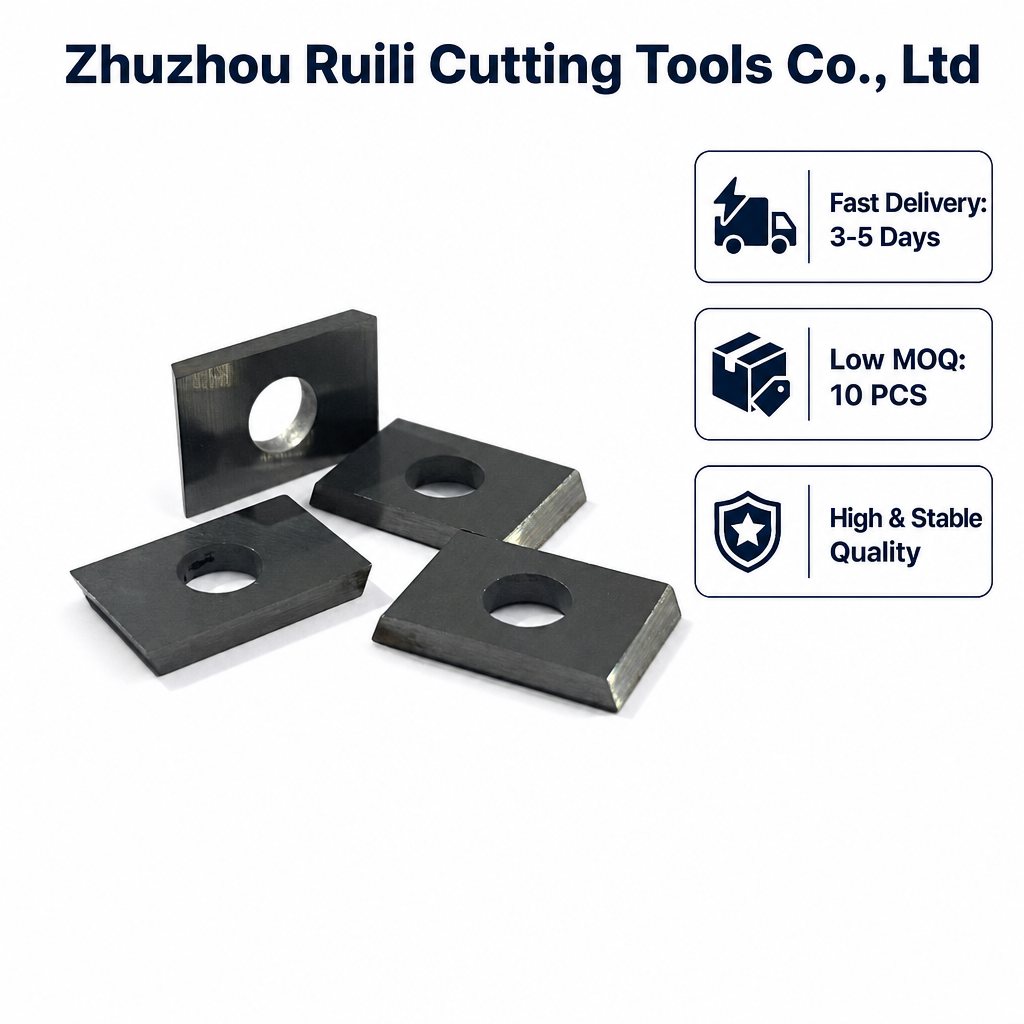
Tungsten carbide cutting inserts are indexable cutting tools widely used on CNC lathes and machining centers. They adopt standard geometries or custom shapes, matched with tool holders. Correct selection directly improves cutting speed, surface finish and tool life while reducing chipping and built-up edge.
2. Select by Workpiece Material
Steel, stainless steel, cast iron, aluminum alloy and high-temperature alloys require different carbide substrates and coatings. Cast iron cutting usually uses high wear resistance uncoated or Al2O3 coated inserts. Stainless steel needs anti-adhesion coating grades to avoid BUE. Non-ferrous metals use fine grain polished carbide inserts.
3. Select by Cutting Type: Turning, Milling or Boring
Milling inserts bear intermittent impact, so higher toughness substrate is required. Turning inserts focus on wear resistance for continuous cutting. Boring inserts need small size and stable sharp edge for internal finishing. Rough cutting uses thicker edge preparation; finishing uses sharper edge.
4. Grade, Chipbreaker and Coating Matching
| Cutting Condition | Suggested Matching |
|---|---|
| Rough turning steel | Tough substrate + TiCN coating, heavy chipbreaker |
| Finishing stainless steel | Fine grain substrate + TiAlN coating, light chipbreaker |
| Cast iron milling | Medium grain + Al2O3 coating |
| Aluminum machining | Polished uncoated carbide, sharp rake angle |
Chipbreaker groove controls chip curling and evacuation, which is critical for long chip materials such as low carbon steel.
5. Common Mistakes in Insert Selection
Using high wear-resistant low-toughness inserts for interrupted milling easily causes edge chipping. Using soft high-toughness grades for finishing leads to fast flank wear and poor surface quality. Improper coating will bring adhesion and thermal damage.
6. Summary
Carbide cutting insert selection needs comprehensive consideration of workpiece material, cutting method, depth of cut and coolant condition. We supply standard indexable inserts and custom-shaped carbide inserts with matched coatings. Send us your cutting parameters, we can recommend suitable insert grades and geometries.
Tell us your workpiece material and cutting process, our engineers recommend proper tungsten carbide cutting inserts with suitable grade, chipbreaker and coating.
Standard and custom tungsten carbide turning inserts, milling inserts, boring inserts with different coatings available.