Surface Finishing Options for OEM Carbide Parts: Polishing, Grinding and Coating
- Share
- publisher
- Bree
- Issue Time
- Nov 19,2026
Summary
This guide compares raw sintered, ground, polished and coated surface finishes for OEM carbide parts. It explains the performance, cost and application of each finishing route, helping buyers choose the right surface treatment to balance wear resistance, friction control and budget.
Full Article Structure
1. Why Surface Finish Matters for Carbide Parts
The surface condition of a carbide part affects friction, wear resistance, chip flow, corrosion resistance and final assembly fit. Different working conditions call for different finishing levels. Choosing the right surface option balances performance, processing cost and delivery time. We offer several standard finishing routes for OEM carbide parts, and can match the finish to your drawing or approved sample.
2. Raw Sintered Surface Option
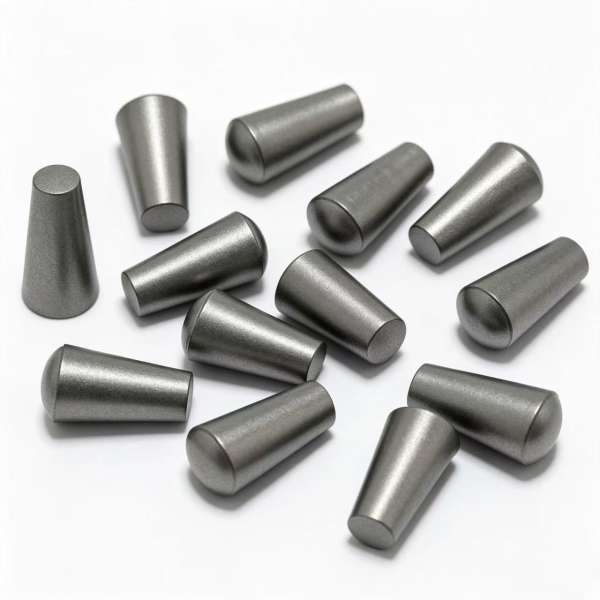
Raw sintered carbide keeps the surface state right after sintering, without further grinding or polishing. This option has lower cost and shorter lead time, and is often used for rough wear blocks, large blanks and parts that will be machined further by the customer. The surface shows natural sintering texture, and dimensional tolerance is looser than ground or polished products.
3. Centerless Grinding and Ground Surface
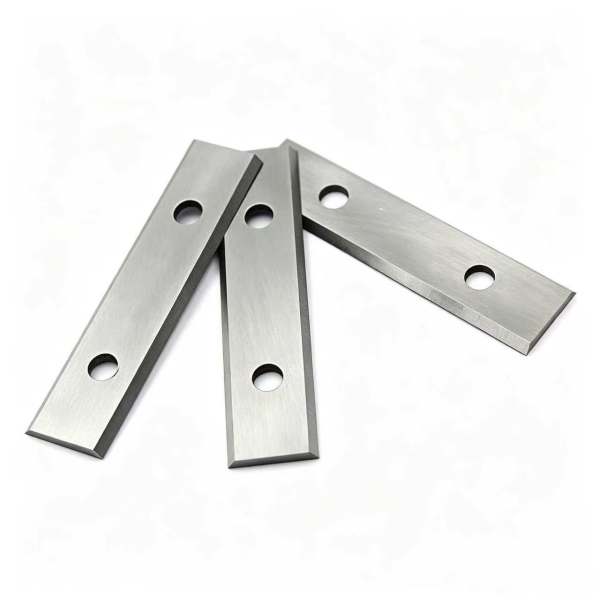
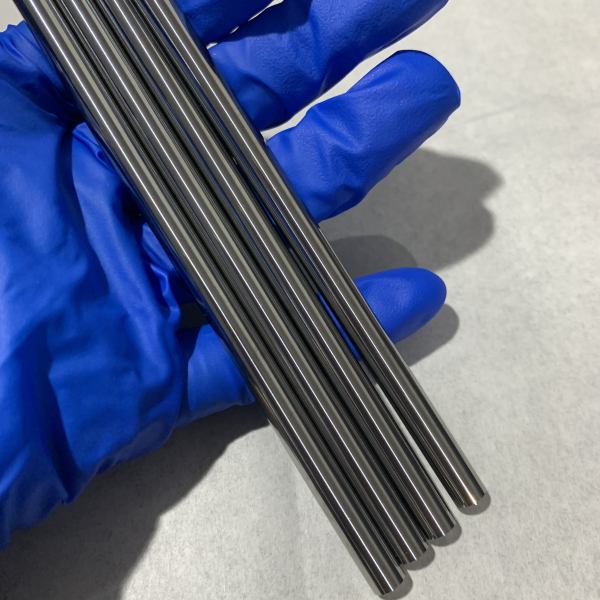
Grinding removes the sintering skin and brings dimensions to tighter tolerance. Round bars, punches, pins and tool blanks are commonly centerless ground to control diameter and straightness. Ground surfaces are flat and uniform, ready for direct assembly or secondary tool making. This is the most widely used finish for cutting blanks and precision wear parts.
4. Polishing Surface Option
Polishing further refines the ground surface to a smoother, brighter finish. It reduces surface roughness, helps material release and lowers friction in contact or sliding conditions. Polished carbide parts are commonly used for forming dies, wear pins, sealing seats and decorative or precision components. We can adjust polishing degree according to your sample or roughness requirement.
5. Coating and Additional Surface Treatment
| Surface Option | Typical Benefit and Use |
|---|---|
| Raw sintered | Cost-effective, for rough blanks and further machining |
| Ground | Tight tolerance, uniform surface for tools and wear parts |
| Polished | Smooth low-friction surface for forming and sliding parts |
| Coated | Extra wear resistance and lower adhesion for cutting or forming tools |
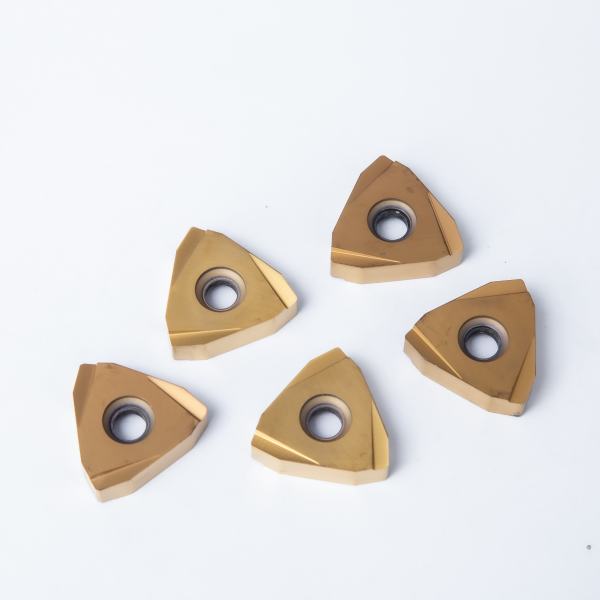
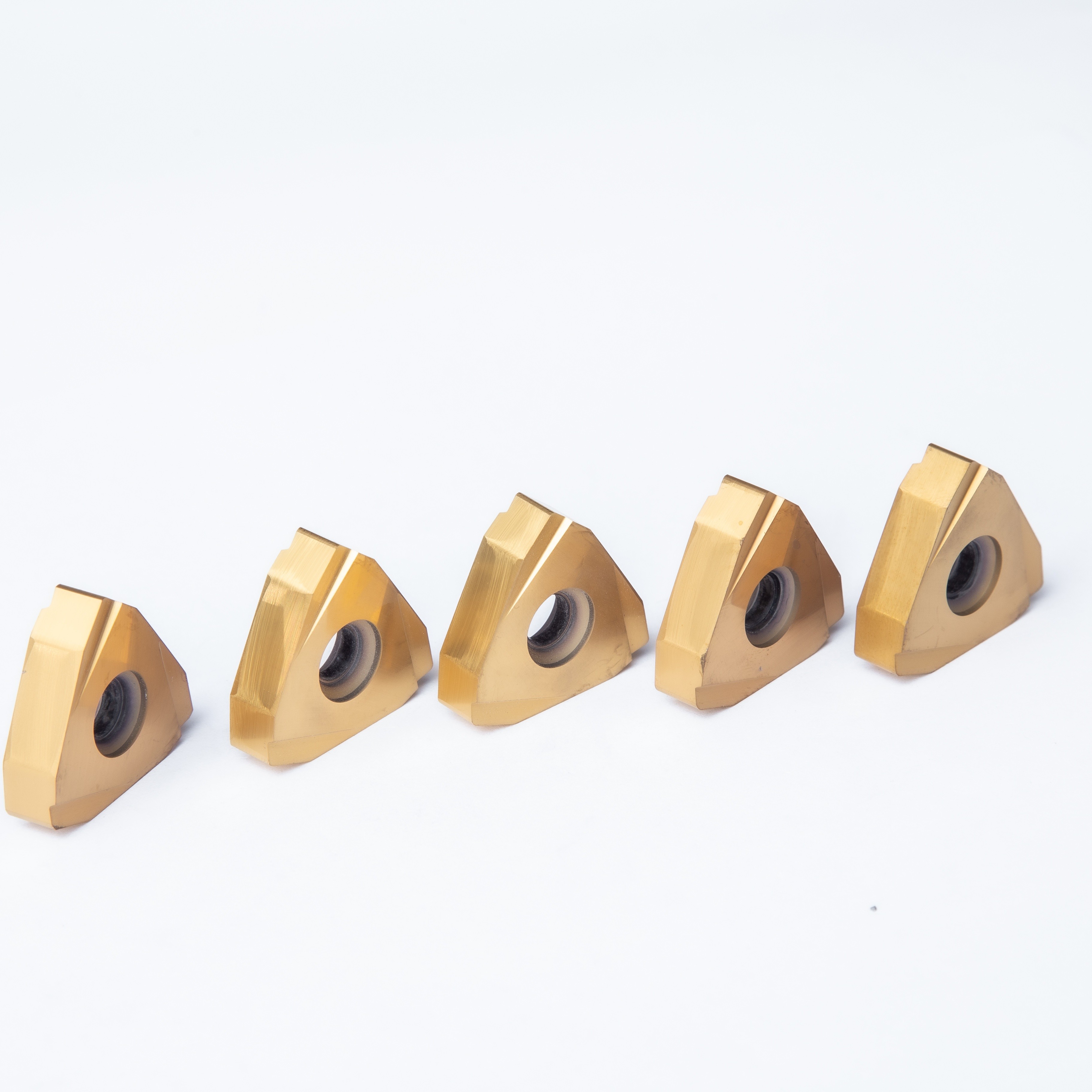
For coated cutting tools and inserts, we can coordinate coating services according to your grade and working material. Coatings such as TiN, TiCN or Al2O3 are selected based on the machining condition, and coating thickness and color can follow your specification.
6. Summary
Raw sintered, ground, polished and coated surfaces each fit different OEM carbide applications. Raw material suits rough blanks, grinding controls precision, polishing improves smoothness, and coating boosts wear life. Tell us your application, friction condition and required surface roughness, and our team will recommend the most suitable finishing option for your carbide parts.
Share your part application and surface requirement, our engineers will recommend the proper finishing route for your OEM carbide components.
We support raw, ground, polished and coated surface finishes for custom tungsten carbide OEM parts.