Rleey | Carbide Rod Grade Selection: Substrate Properties for Drills, End Mills & Wear Parts
- Share
- publisher
- Bree
- Issue Time
- Oct 12,2026
Summary
Rleey explains carbide rod grade selection, substrate cobalt content, hardness and toughness, helping you pick the right solid carbide rod for drills, end mills and wear resistant components.
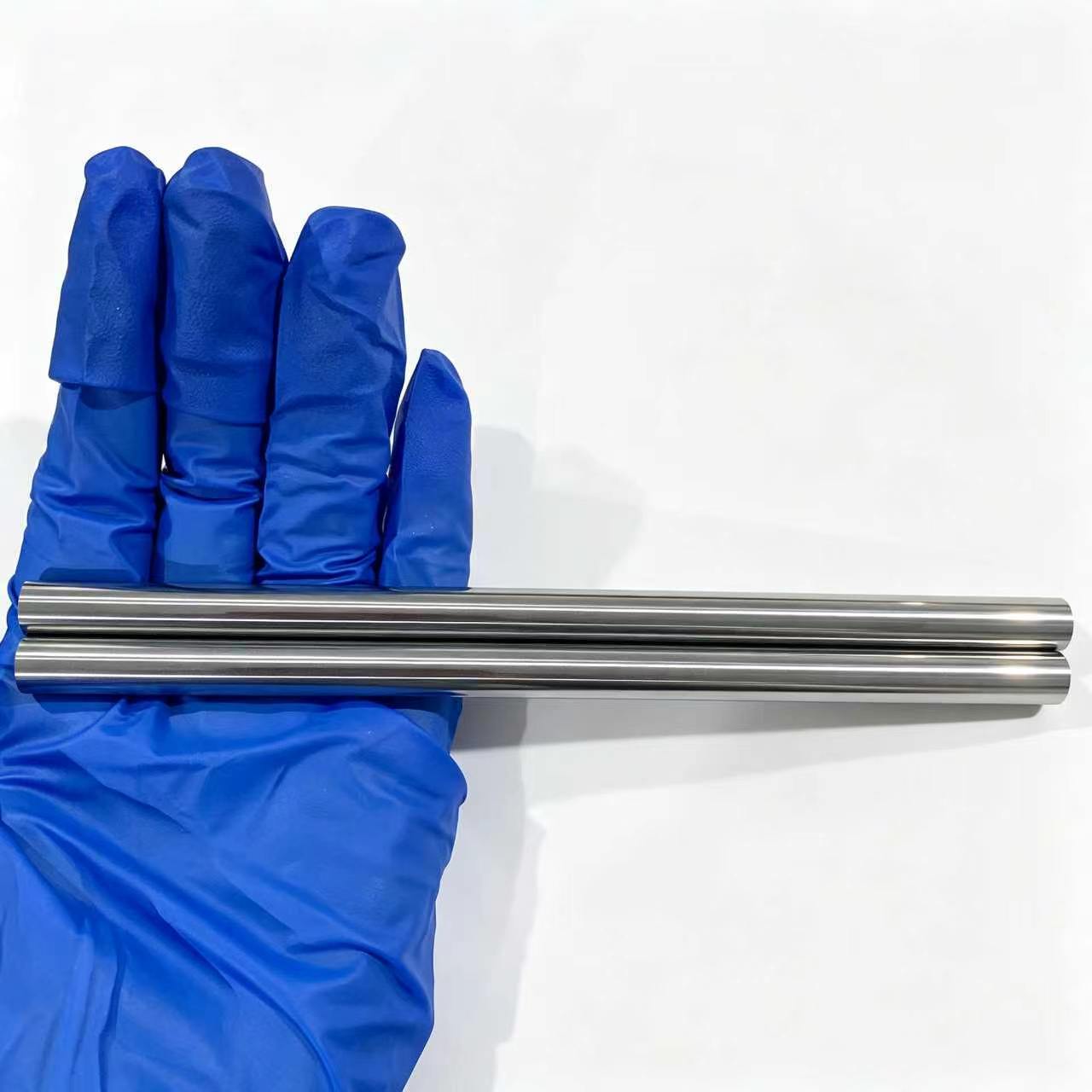
Carbide Rod Grade Selection: Substrate Properties for Drills, End Mills & Wear Parts
Table of Contents
Selecting the wrong carbide rod grade will shorten tool life or cause chipping and breakage. The substrate composition directly defines hardness, wear resistance and impact toughness. Rleey produces solid carbide round rods in multiple grades, tailored for end mill blanks, drill blanks and static wear components. This guide helps you understand substrate properties and match grades to your target application. Tungsten carbide substrates are WC grains bonded with cobalt. Higher cobalt binder percentage improves toughness and shock resistance; lower cobalt increases hardness and abrasive wear resistance. Grain size is another key factor: fine grain grades deliver higher hardness for precision cutting, coarse grain grades offer better impact resistance under heavy loads. There is an inherent balance between hardness and toughness. A very hard low-cobalt grade will resist abrasive wear well but is sensitive to impact and chipping. High cobalt grades survive heavy vibration and shock but wear faster under continuous abrasive friction. Your machining material and cutting conditions decide which property should be prioritized. If your finished drills or end mills will receive TiN, TiAlN or other PVD coatings, substrate toughness matters. The substrate must withstand coating temperature and post-coat grinding. Brittle low-cobalt substrates are not recommended for tools facing heavy shock after coating. A: Not always. Wear pins prioritize abrasion resistance, while cutting tools require toughness against cutting impact. YG8 works as universal option for many cases, but optimization is recommended. A: Fine grain means smaller WC crystal grains, which gives higher hardness at same cobalt percentage, ideal for sharp-edge cutting tools like micro drills. A: Yes, custom grain structure and cobalt content can be produced for special project requirements upon order quantity confirmation.Introduction
Carbide Substrate & Cobalt Binder Basics
Hardness vs Toughness Trade-off
Carbide Rod Grade Reference Table
Grade
Cobalt Content
Main Property
YG6
6% Co
High hardness, excellent wear resistance, low impact
YG8
8% Co
Balanced hardness & toughness, general purpose cutting
YG10
10% Co
Higher toughness, good for interrupted cuts
YG13
13% Co
Maximum toughness, heavy impact wear parts
Grade Matching for Drills, End Mills & Wear Parts
Substrate Selection Tips for Coated Tools
FAQ
Q: Can I use the same carbide rod grade for both end mills and wear pins?
Q: What is fine grain carbide rod?
Q: Can Rleey customize special grain size carbide rod substrates?