How to Select the Right Tungsten Carbide Grade for Mold Punches & Inserts
- Share
- publisher
- Bree
- Issue Time
- Sep 23,2026
Summary
Confused about tungsten carbide grade selection for mold punches and inserts? This guide covers grain size, cobalt content, hardness & toughness trade-offs to help you pick the best carbide grade for stamping mold components.
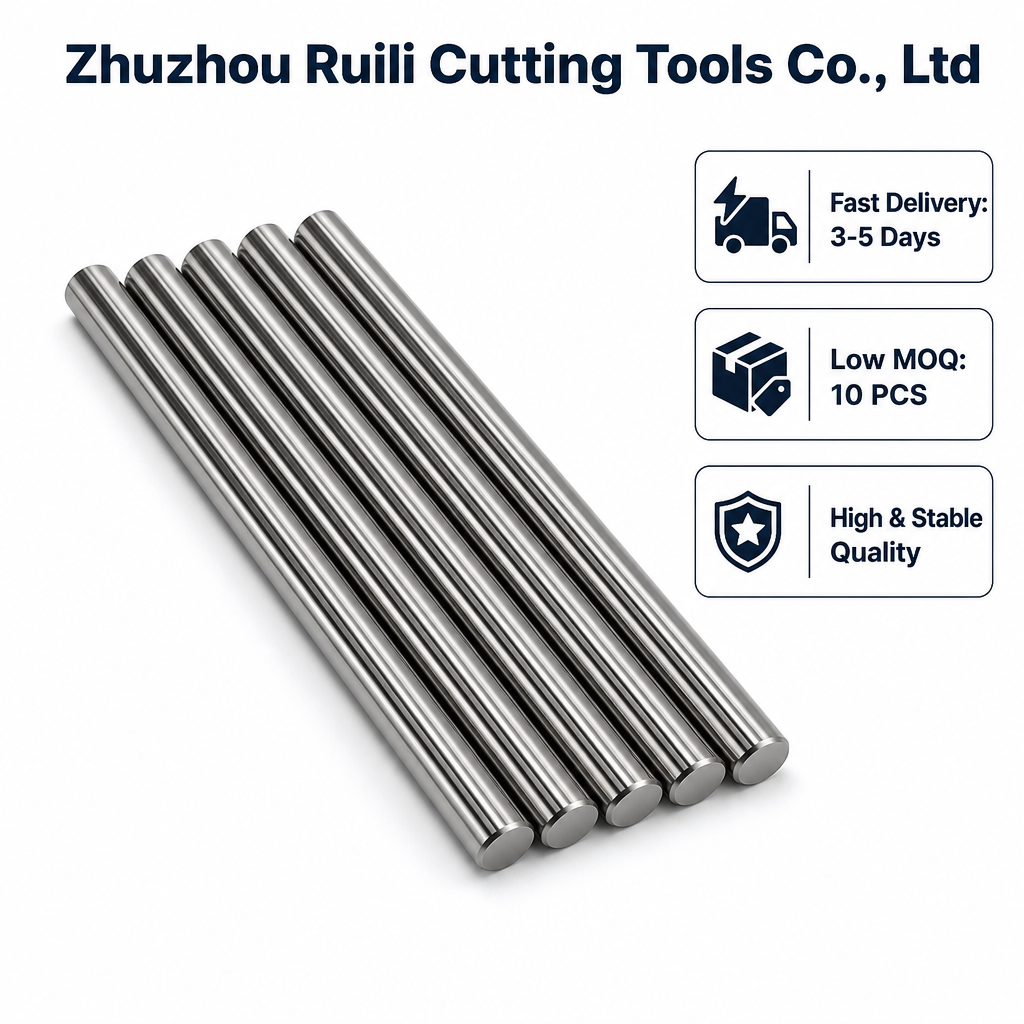
Full Article Structure
- 1. Introduction: Why Carbide Grade Selection Matters for Mold Punches & Inserts
- 2. Core Material Properties of Tungsten Carbide for Mold Work
- 3. Cobalt Content: Hardness vs Toughness Trade-off
- 4. Grain Size Impact on Mold Punch Service Life
- 5. Common Carbide Grades for Mold Punches & Inserts
- 6. Step-by-Step Guide to Choose Your Carbide Grade
- 7. Grade Selection Reference Table
- 8. FAQ for Tungsten Carbide Grade Selection
- 9. Summary & Material Consultation
1. Introduction: Why Carbide Grade Selection Matters for Mold Punches & Inserts
Many mold makers pick tungsten carbide grades only by experience, which often leads to unexpected chipping, fast wear or early punch breakage. Wrong grade choice increases mold maintenance cost and stops stamping production. The best carbide grade balances hardness, wear resistance and impact toughness to match your workpiece and stamping load.
This guide explains how to evaluate carbide material parameters and select the suitable grade for your mold punches and inserts.
2. Core Material Properties of Tungsten Carbide for Mold Work
When selecting carbide for mold punches and inserts, three key properties should be prioritized: hardness, transverse rupture strength and wear resistance.
Hardness
Higher hardness brings better wear resistance, but reduces impact resistance. It suits fine blanking and thin sheet metal stamping.
Toughness
Higher toughness resists chipping under repeated impact, ideal for thick material or heavy-load stamping punches.
Corrosion resistance
For special workpiece materials, we can adjust formulation to improve anti-corrosion performance.
3. Cobalt Content: Hardness vs Toughness Trade-off
Cobalt acts as the binder phase in cemented carbide. Increasing cobalt percentage improves toughness while lowering hardness. Lower cobalt content creates harder, more wear-resistant carbide but easier to crack under heavy impact.
For mold punches running continuous high-cycle stamping, YG10 with medium cobalt is widely adopted for balanced performance. Low cobalt grades are used for highly abrasive workpieces.
4. Grain Size Impact on Mold Punch Service Life
Fine grain carbide delivers higher hardness and better edge retention for precision inserts. Coarse grain carbide offers superior impact toughness for heavy punching. Many mold applications choose submicron or medium grain carbide to balance sharp edge and anti-chipping performance.
5. Common Carbide Grades for Mold Punches & Inserts
- YG6: Low cobalt, high hardness, for abrasive thin sheet stamping inserts
- YG8: Balanced wear and toughness, general-purpose mold punch material
- YG10: Higher cobalt, good impact resistance, widely used for thick metal stamping punches
- Custom tailored grades: Special grain size and cobalt ratio for extreme working conditions
6. Step-by-Step Guide to Choose Your Carbide Grade
- Confirm workpiece material: steel, copper, aluminum or other alloys
- Check sheet thickness, punching force and cycle frequency
- Define failure mode: wear, chipping or fracture
- Select cobalt content and grain size accordingly
- Run sample test before full batch production
7. Grade Selection Reference Table
| Carbide Grade | Cobalt Content | Typical Application |
|---|---|---|
| YG6 | 6% | Fine blanking inserts, thin sheet, high wear demand |
| YG8 | 8% | General stamping punches, moderate impact |
| YG10 | 10% | Heavy load punches, thick metal stamping |
8. FAQ for Tungsten Carbide Grade Selection
Q1: Which grade is best for standard mold punches?
YG10 is the most popular choice for general mold punches due to balanced toughness and wear resistance.
Q2: Can you customize carbide grade for special mold requirements?
Yes, we can adjust cobalt ratio and grain size to develop custom cemented carbide grades.
Q3: Do you provide material test certificates for carbide mold blanks?
Yes, MTC with hardness, density and grain data can be supplied for each batch.
9. Summary & Material Consultation
Selecting the right tungsten carbide grade depends on stamping load, workpiece material and expected failure mode. Cobalt content and grain size are the two most critical parameters. If you are designing mold punches or inserts and unsure which grade fits your project, send us your working conditions, we can recommend the proper carbide grade for your mold.
CTA Contact Zone
Free Carbide Grade Recommendation
📧 Contact Us → /contact-us.htm
Share your mold stamping parameters, get professional tungsten carbide grade suggestion for punches and inserts.
Sample Available
📧 Contact Us → /contact-us.htm
We can supply carbide rod samples for your mold punch testing.
Disclaimer
The grade reference data in this article is for general guidance. Actual service life depends on stamping speed, workpiece material and operating environment. Please contact us for customized carbide grade recommendation for your mold project.